

Palau travel guide
Palau Tourism | Palau Guide
You're Going to Love Palau
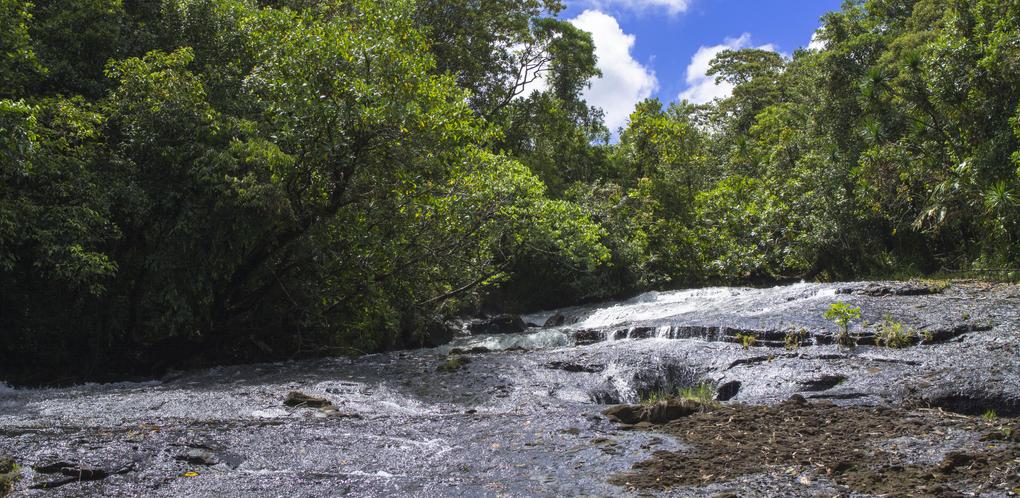
Palau's turquoise waters and deep green forests attract nature enthusiasts and paradise seekers.
The diversity of underwater wildlife and shipwrecks make Palau one of the top destinations in the world for divers and snorkelers.
The country is so focused on preserving its environment that instead of regular stamps, travelers get the Palau Pledge stamped on their passports - a signed commitment that they will leave nothing but footprints behind.
What to do in Palau
1. Go Diving
Diving in Palau is the number one recommended activity. The country is home to many exceptional diving spots, including one of the top five in the world, the Blue Corner Wall.
2. Snorkel with Jellyfish
Although it sounds like a dangerous thing to do in Palau, the jellyfish are stingless and therefore harmless. For snorkelers, this is a one of a kind experience.
3. See Ruins from World War II
History buffs will love taking a trip to Peleliu Island for a chance to see World War II tanks left to ruin after the war.
4. See Enigmatic Monoliths
Dating back at least 2,000 years, the Badrulchau carved stone monoliths are an enigma waiting to be solved.
5. Take a Swim in the Milky Way
Dubbed as the Milky Way, this gorgeous bay is known for its unusual bright blue color. Not only does it look great in photos, but swimming in it is a must-do in Palau.
When to visit Palau
Divers and snorkelers should avoid shoulder season (April, July, August, October, and November) because heavy rains and wind mean most diving spots will be off-limits.
High season is from December to March, which means great weather but also more tourists and crowded diving spots. In May, June, and September, Palau has fewer crowds, prices are lower, and diving is more peaceful.
How to Get to Palau
Entry requirements
Nationals from all countries get a tourist visa on arrival in Palau, for stays of up to 30 days. Passengers must carry a passport that's valid for at least six months after the date of entry and a return ticket.
A vaccination certificate for cholera and yellow fever is only required for passengers who have traveled to known infected parts of the world.
Plane
Palau is served by only one airport, the Roman Tmetuchi International Airport. The airport is served by regular flights from Guam, Manila, Seoul, and Taipei.
Since January 2018, all airlines must pay the Palau Pristine Paradise Environmental Fee of approximately $100 per international ticket issued. The fee will be included in the flight's final price.
Popular airports in Palau
Popular airlines serving Palau
Where to stay in Palau
Palau offers a wide range of accommodation options from budget-friendly hotels and short-term rentals to high-end hotels and luxury villas and resorts.
Where to stay in popular areas of Palau
How to Get Around Palau
Public Transportation
Public transportation is limited in Palau, with only one bus route that services the main streets of Koror, the largest city in the country.
Car
To rent a car in Palau, drivers must be at least 21 years old and hold an International Driving Permit.
Most local and international car rental companies have offices at the airport, but travelers can also make arrangements with the hotels.
Taxi
Due to the lack of a regular public transportation network in Palau, getting around by taxi is one of the most convenient ways. Fares are negotiable and a taxi can be hired for a short trip or the whole day.
Boat
There are three government-run ferry routes between the main island, Babeldaob, and the islands of Peleliu, Angaur, and Kayangel, at least twice a week. A one-way ticket costs around $5.
The Cost of Living in Palau
Credit cards are accepted at most hotels, particularly in Koror, where ATMs are also widely available. Exchanging foreign currency might be complicated in Palau, so try to travel with cash in the local currency, the US Dollar. Expect to pay around $10 for milk, eggs, and bread at a local supermarket and about $18 for a cheap meal at a restaurant.